
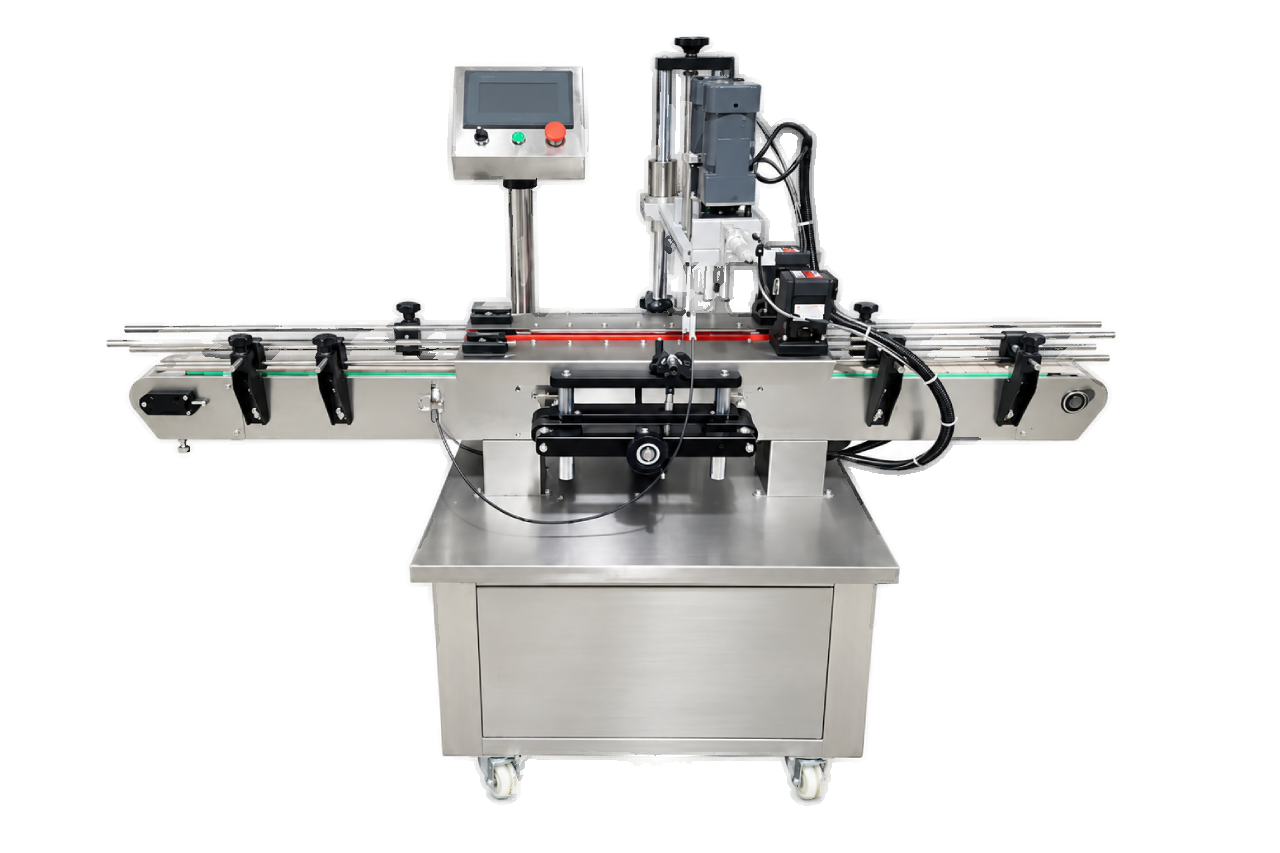
Automatic Capping Machine
Applies and torques caps or lids onto bottles and jars on a moving line.
- Output: 30–120 bottles/min
- Cap diameter range: 20–100mm
Machines that place and tighten caps on bottles, jars and spouted pouches — the closing stage that keeps products sealed, fresh and leak-free.
3 machines across our food, pharma and non-food ranges. Output figures are indicative industry ranges, confirmed for your product with every quote.
Applies and torques caps or lids onto bottles and jars on a moving line.
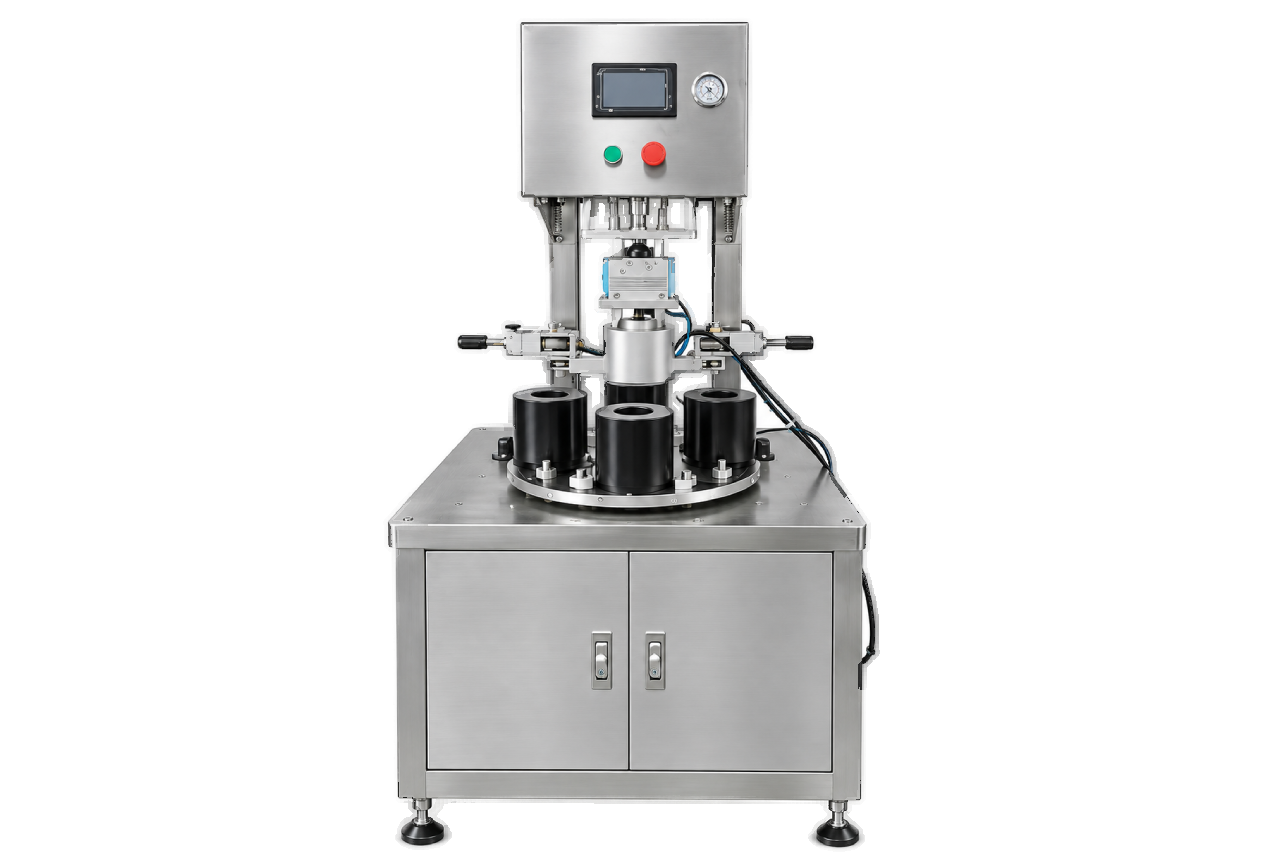
Seals jars and bottles under vacuum for an airtight seal that extends shelf life.
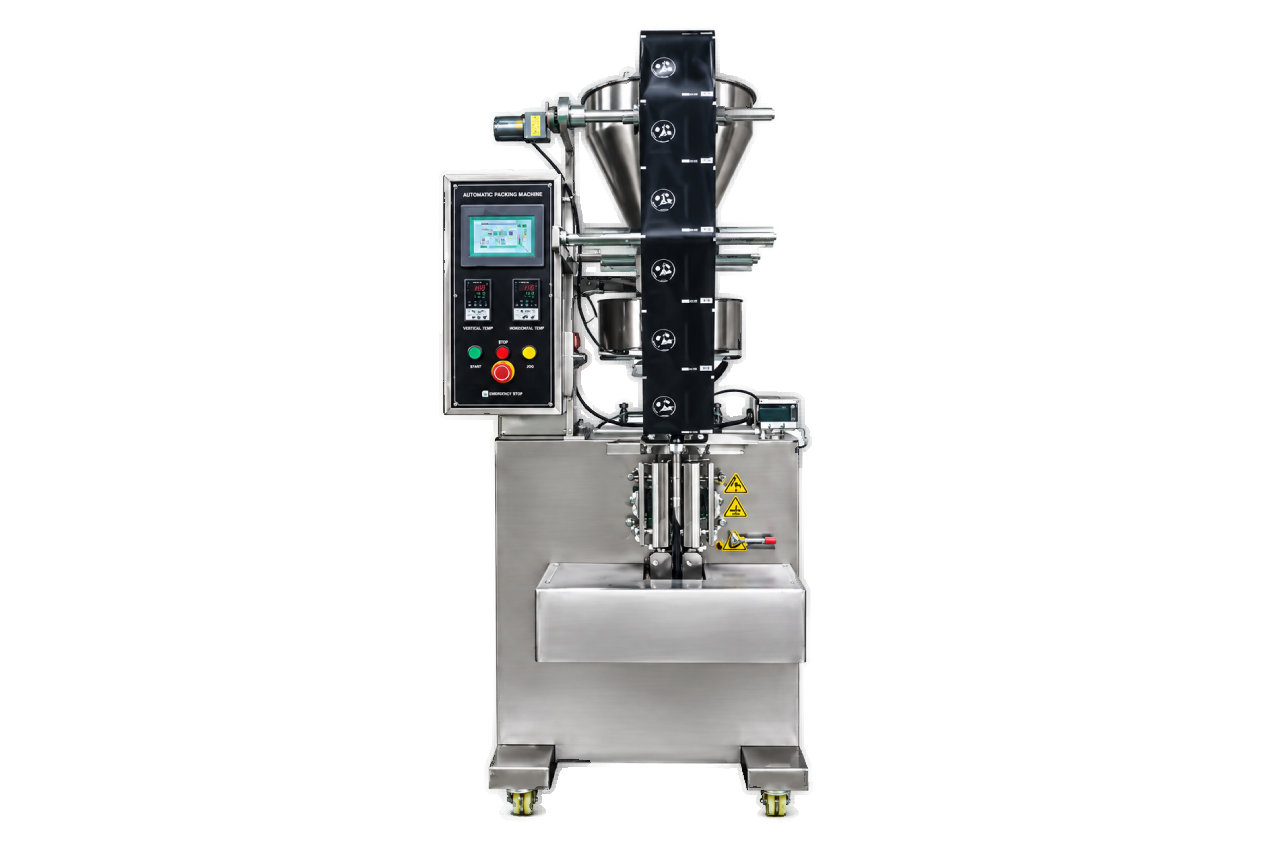
Fits and seals caps on filled spouted pouches for baby food, sauces and liquids.
Buying Guide
A capping machine closes a container after filling. It looks like a simple job, but loose caps leak and over-tight caps crack or are hard for customers to open, so consistent torque matters. Capping is also often the stage that limits a bottling line, because hand capping cannot keep up with an automatic filler. Maxim Machines supplies capping machines for bottles, jars and spouted pouches.
An automatic capping machine places caps on bottles or jars moving along a conveyor and torques them closed. It handles screw and snap caps, typically 20–100 mm in diameter, at around 30–120 bottles per minute, for sauces, oils, beverages and condiments.
Products that need to keep for a long time, such as pickles, sauces and preserves, benefit from an airtight seal. A vacuum capping machine removes air from the headspace and seals the lid under vacuum, which helps extend shelf life.
Spouted pouches for baby food, sauces and liquids are finished on an automatic pouch capping machine, which fits and seals a cap on each spout after filling.
A typical bottling line runs: filling → capping → labelling and coding → cartoning or shrink wrapping. The capper should run slightly faster than the filler so containers never queue. For example, syrup lines pair an automatic syrup bottle filling machine with a capper downstream.
FAQ
Our automatic capping machine handles screw and snap caps, typically from about 20 mm to 100 mm in diameter. Send us your cap and container so we can confirm the set-up.
It removes air from the container headspace and seals the lid under vacuum. The airtight seal helps sauces, pickles and preserved foods keep longer.
Leaks usually come from low torque, cap and bottle tolerances that do not match, or product on the bottle neck. Cracking usually means torque is set too high. Both are fixed by adjusting torque and checking components.
Usually, yes. A capper is placed on the conveyor after the filler and set to run at a matching speed. Tell us your filler’s output and container details.
Yes. The automatic pouch capping machine fits and seals caps on filled spouted pouches for baby food, sauces and liquids.
Share your product, pack and output — we’ll recommend a machine and send a quote within 24–48 hours.