
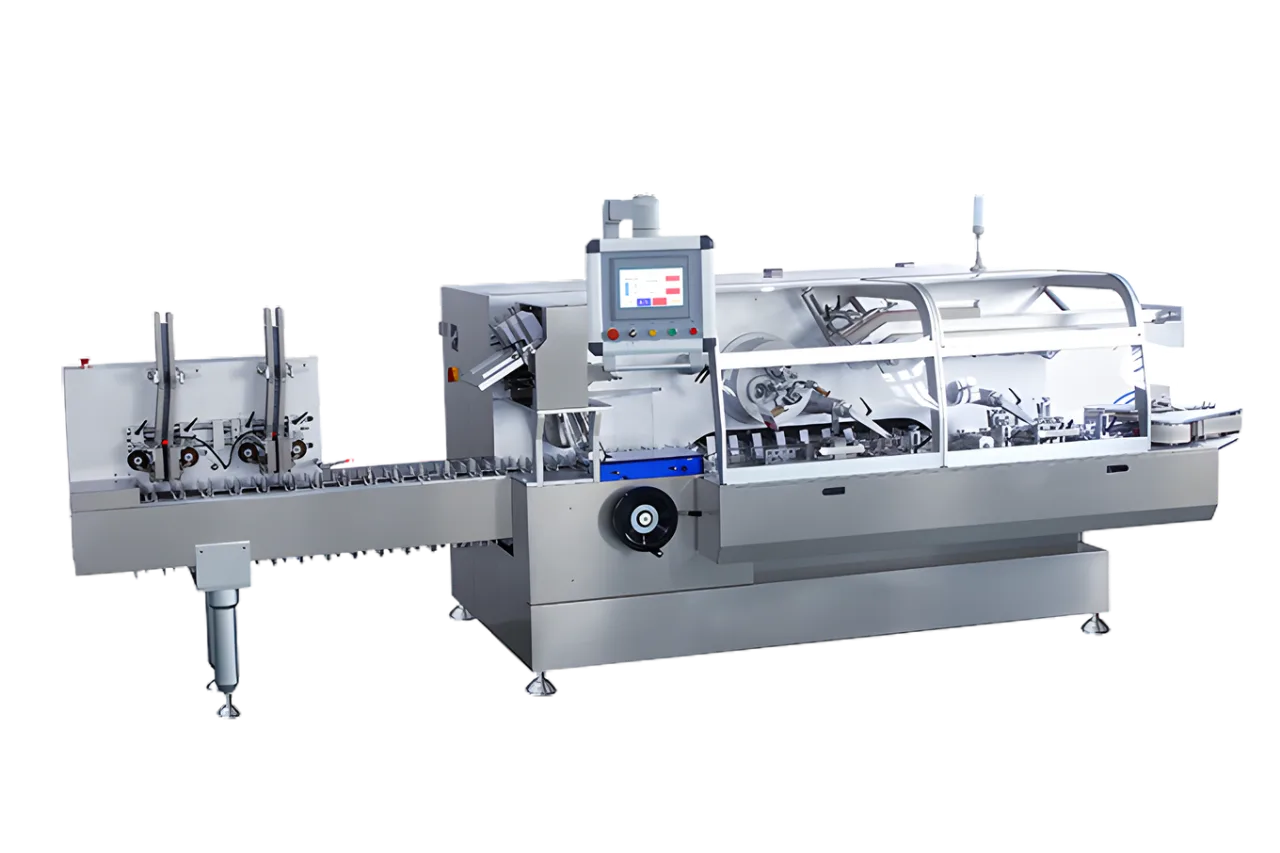
Cartoning Machine
Erects, fills and closes cartons around blister packs, bottles or tubes automatically.
- Output: 60–150 cartons/min
- Carton size range: Configurable
Cartoning, bundling, strapping, bag closing, pallet wrapping and conveyors — the machines that get finished products safely out of the door.
7 machines across our food, pharma and non-food ranges. Output figures are indicative industry ranges, confirmed for your product with every quote.
Erects, fills and closes cartons around blister packs, bottles or tubes automatically.
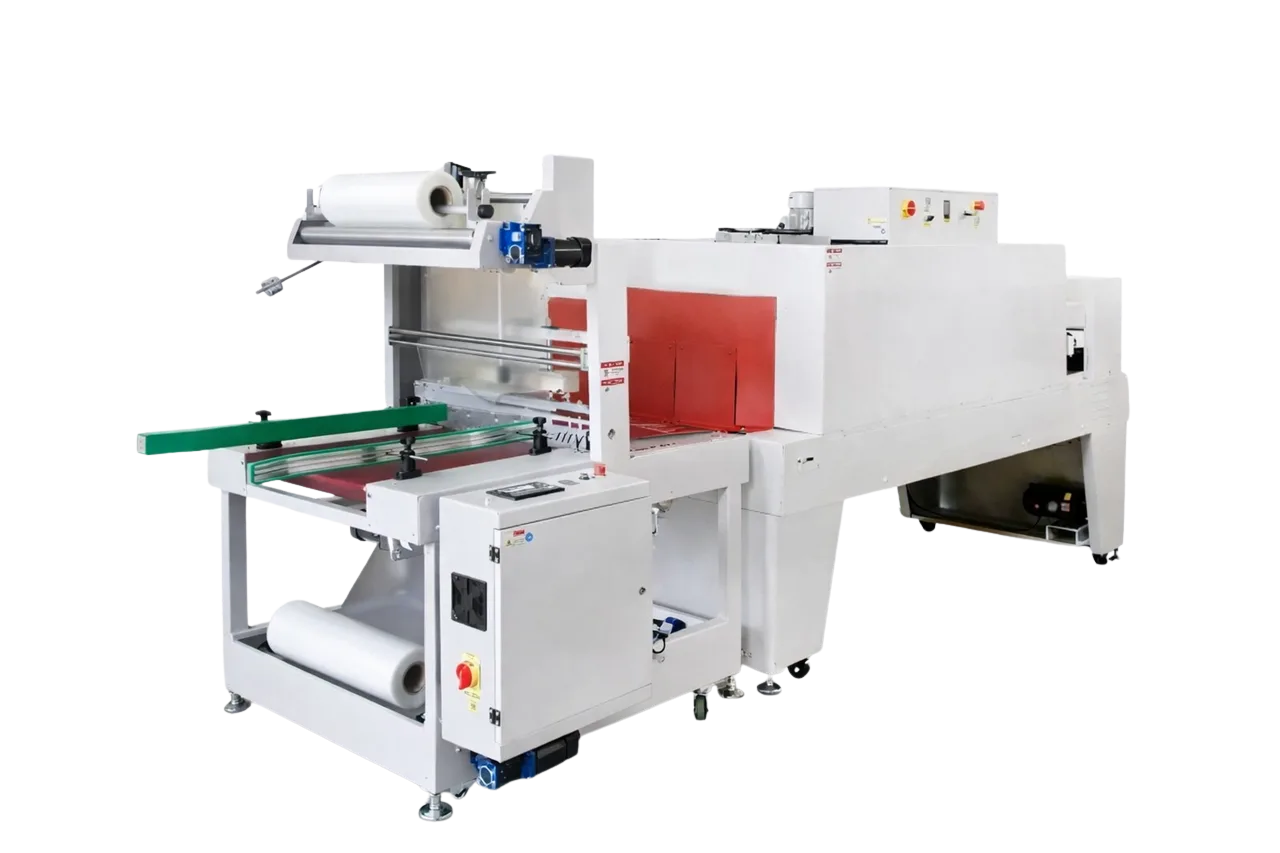
Wraps bundled bottles, cartons or multi-packs in shrink film and heat-shrinks it tight.
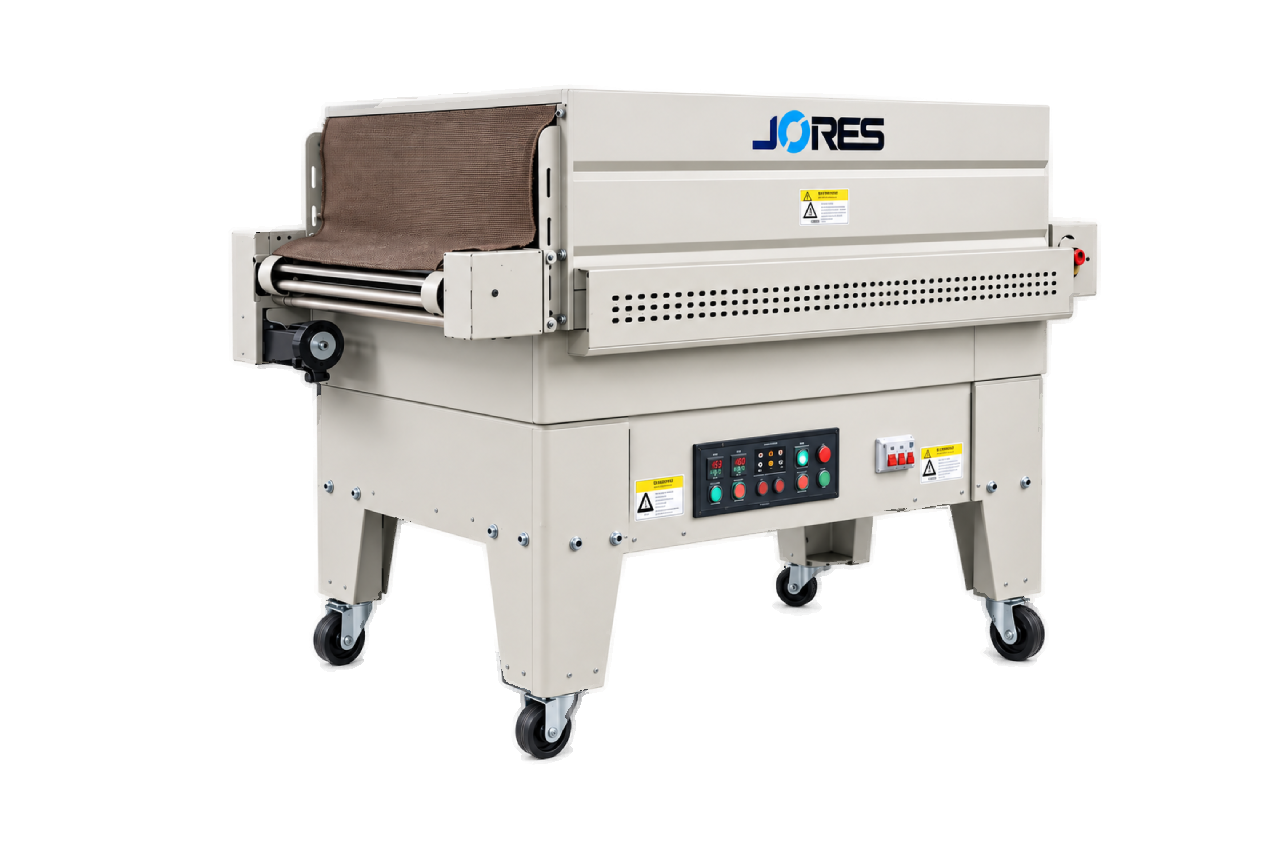
Heat-shrinks film tight around wrapped products — pairs with an upstream wrapping stage.
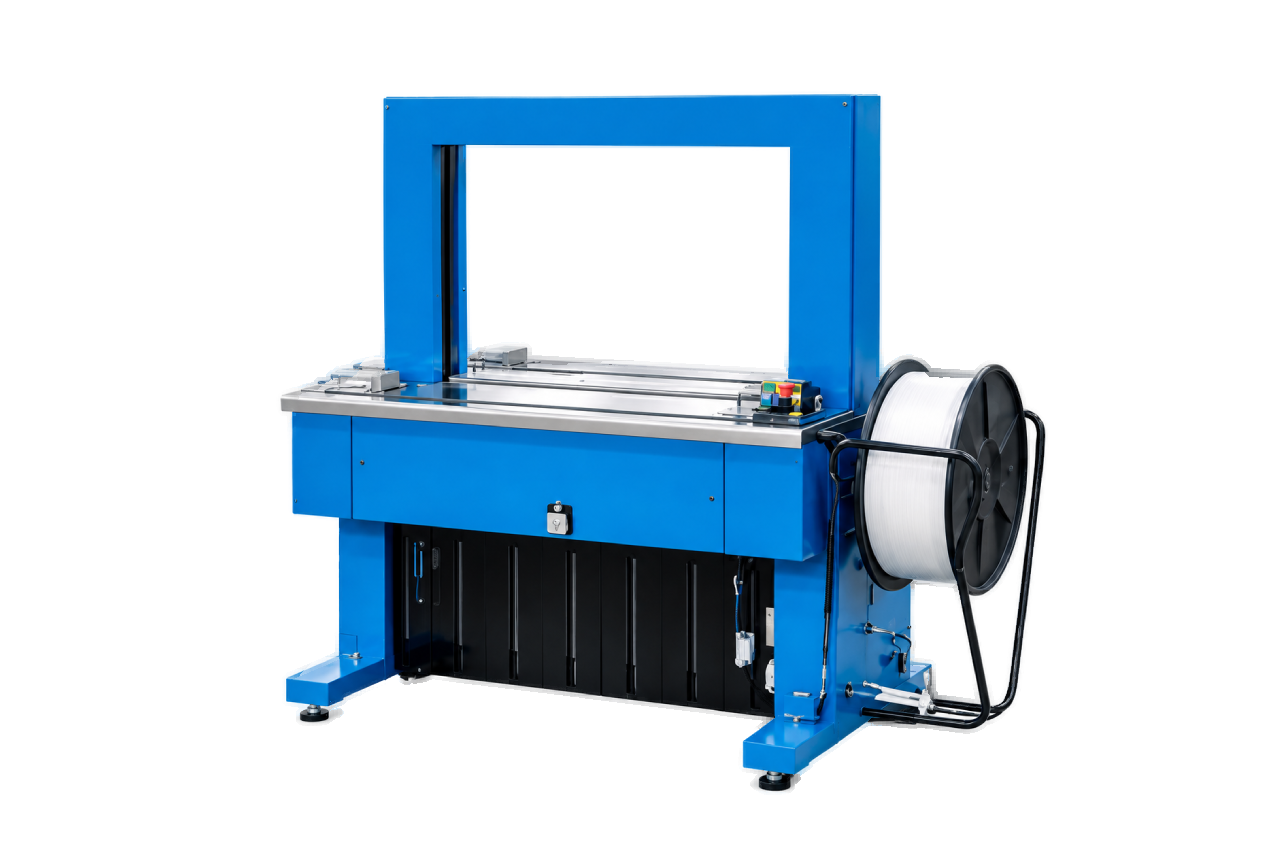
Applies plastic or steel straps around cartons or pallets for secure transport.
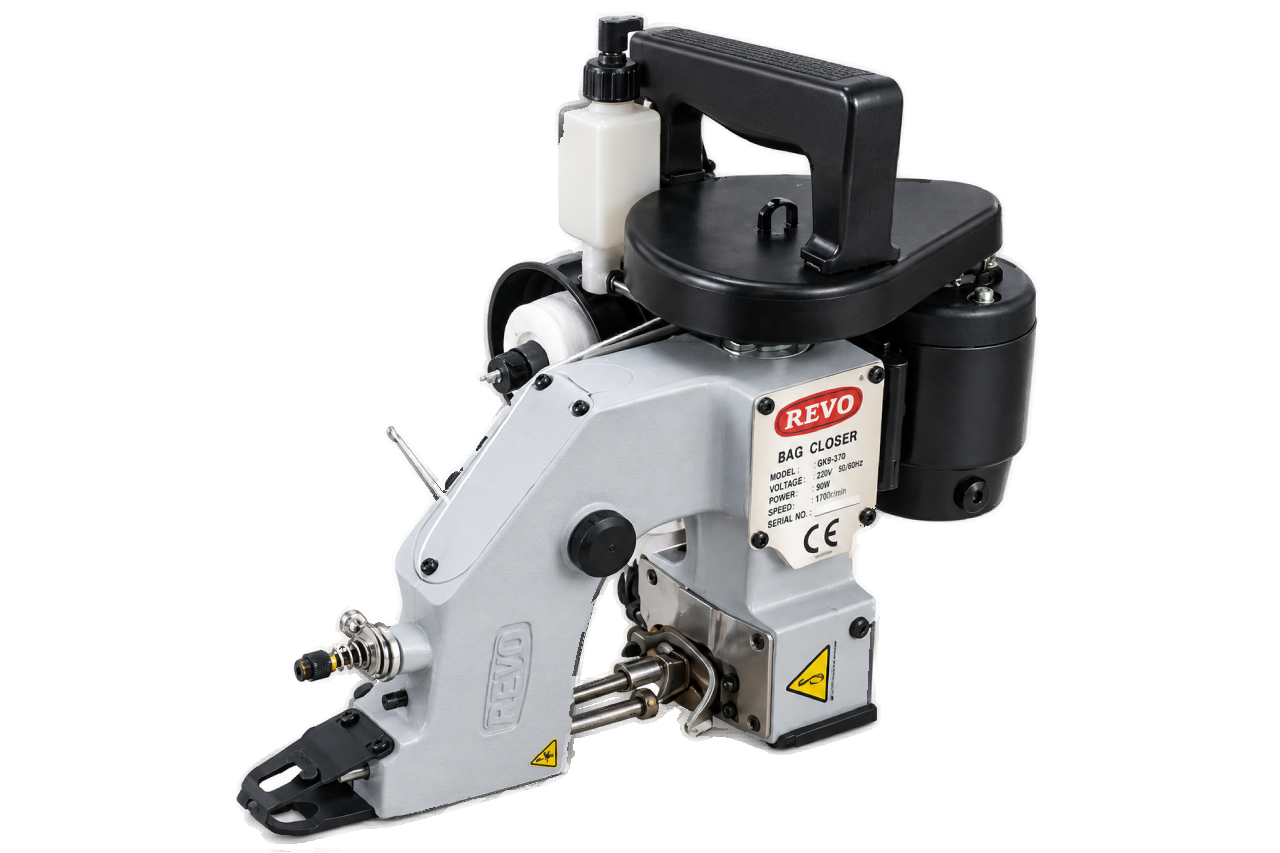
Stitches filled sacks closed with a thread seam — for grain, cement, feed and chemicals.
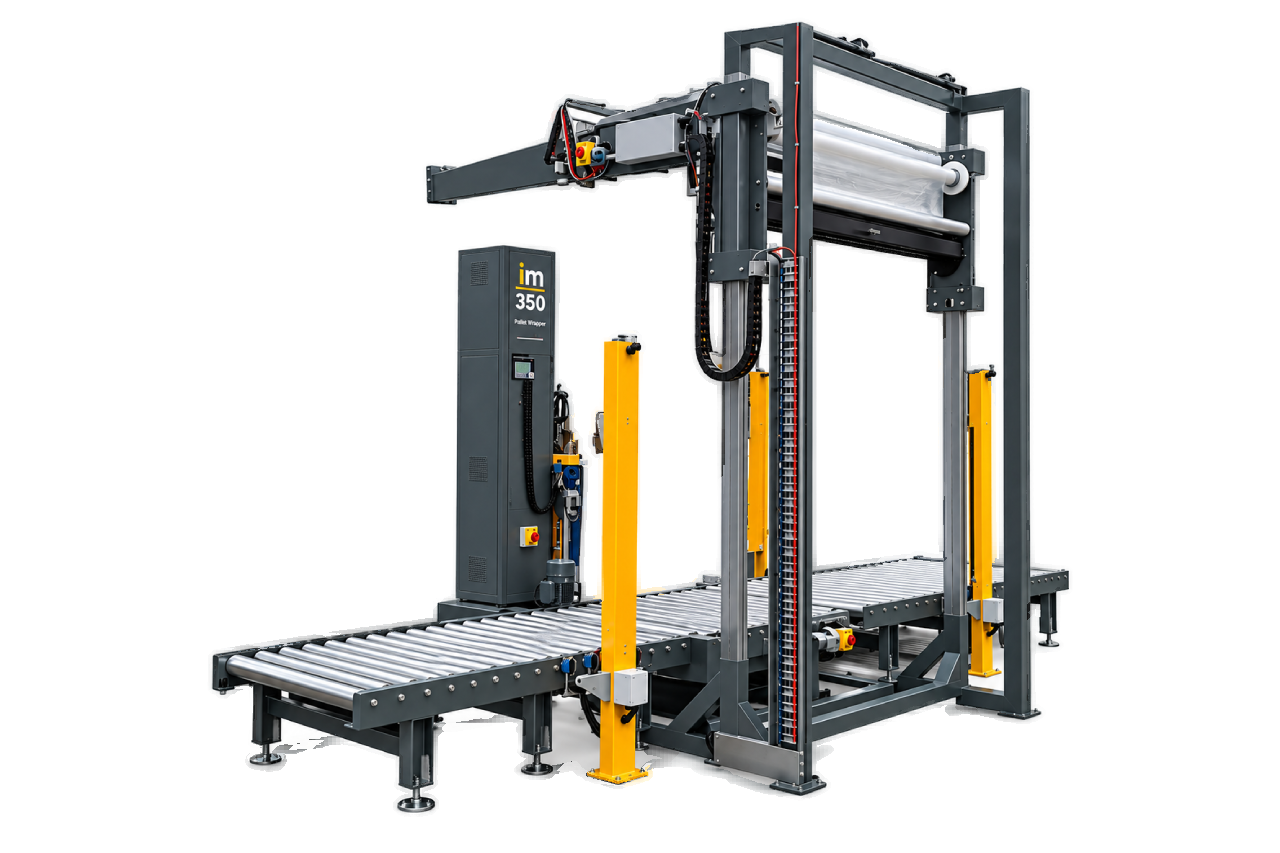
Wraps stretch film around palletized loads to keep them stable in transport.
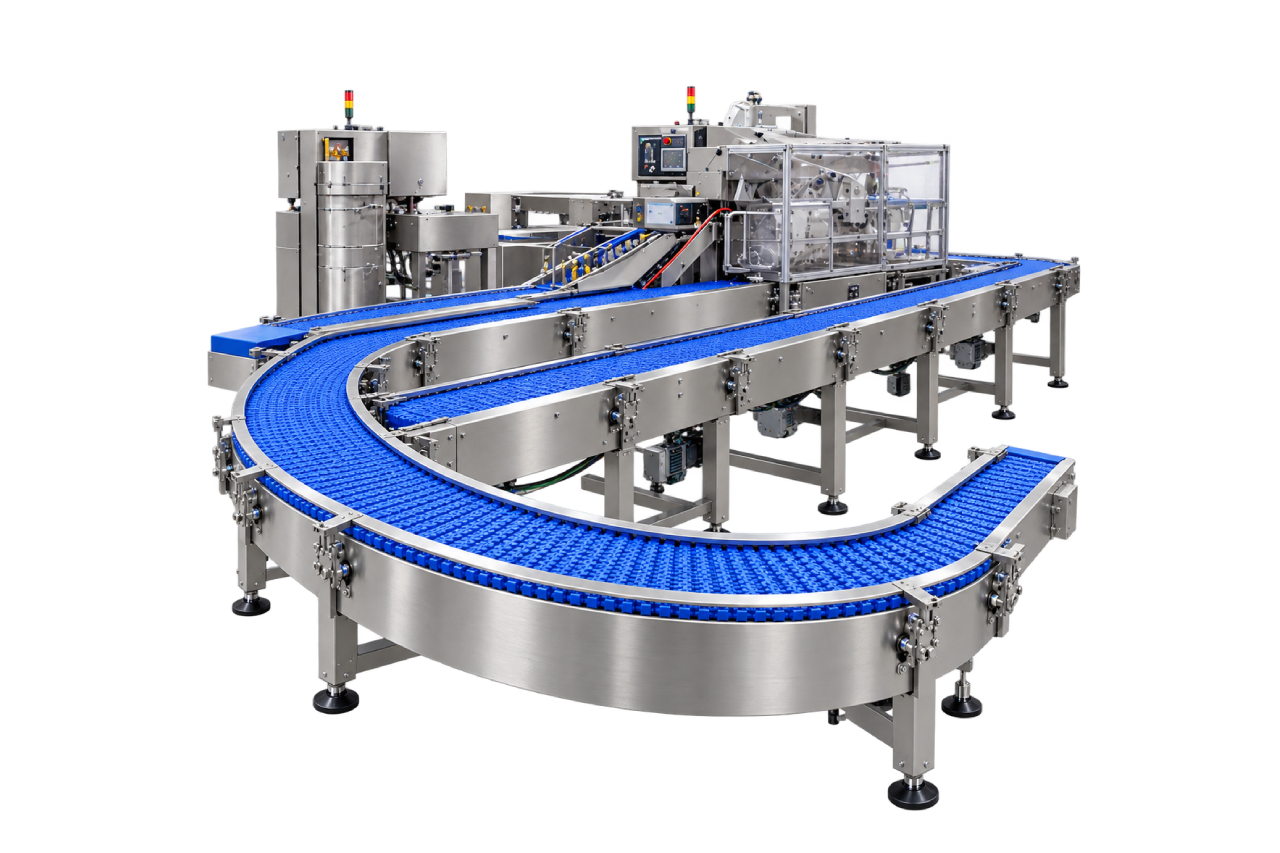
Modular belt or roller conveyor sections that connect your packing line stages.
Buying Guide
End-of-line packaging covers everything after the primary pack is filled and sealed: putting packs into cartons, bundling, strapping, closing sacks and wrapping pallets for dispatch. These jobs are often still done by hand, which makes them a common bottleneck when production grows. Automating them protects goods in transport and frees workers for other tasks.
A cartoning machine erects flat carton blanks, inserts blister packs, bottles or tubes, and closes the carton, typically at 60–150 cartons per minute. It is the standard secondary packaging step in pharma and is widely used for consumer goods.
Bundling bottles, cartons or multi-packs in shrink film keeps them together and shows tampering. An automatic heat shrink wrapping machine wraps and seals the bundle, and a shrink tunnel heats the film so it shrinks tight.
A strapping machine tensions plastic or steel straps around cartons or pallets, typically 20–40 straps per minute, so loads stay closed and stable during handling.
For bulk goods in sacks — grain, cement, animal feed and chemicals — a bag closing and stitching machine closes PP, jute or paper bags with a stitched seam at around 15–25 bags per minute.
A stretch wrapper winds stretch film around a palletised load using a turntable or rotary arm, typically 20–40 pallets per hour for pallets up to 1200 × 1200 mm. Stretch-wrapped pallets are more stable in trucks and better protected from dust and rain.
Conveyor sections link filling, sealing, labelling and end-of-line stages so products move without manual handling. Belt or roller sections are configured to your layout and product weight.
Our article comparing automatic and semi-automatic packaging machines helps estimate the payback on automating end-of-line jobs.
FAQ
End-of-line packaging covers the steps after a product is filled and sealed: cartoning, bundling, strapping, sack closing and pallet wrapping, ready for storage and dispatch.
They do different jobs. Strapping holds a load tightly at specific points; stretch wrapping covers and stabilises the whole load. Many factories use both for heavy or tall pallets.
A cartoning machine erects flat carton blanks, places products such as blister packs, bottles or tubes inside, and closes the carton automatically.
A bag closing and stitching machine closes filled sacks with a thread seam. It is fast, low-cost and suits PP, jute and paper bags.
Usually, yes. Conveyor sections are configured to your line layout, product size and weight, and can be designed around machines you already own.
Share your product, pack and output — we’ll recommend a machine and send a quote within 24–48 hours.